
10 Myths About Nicotine Pouches Debunked (2026 Science)
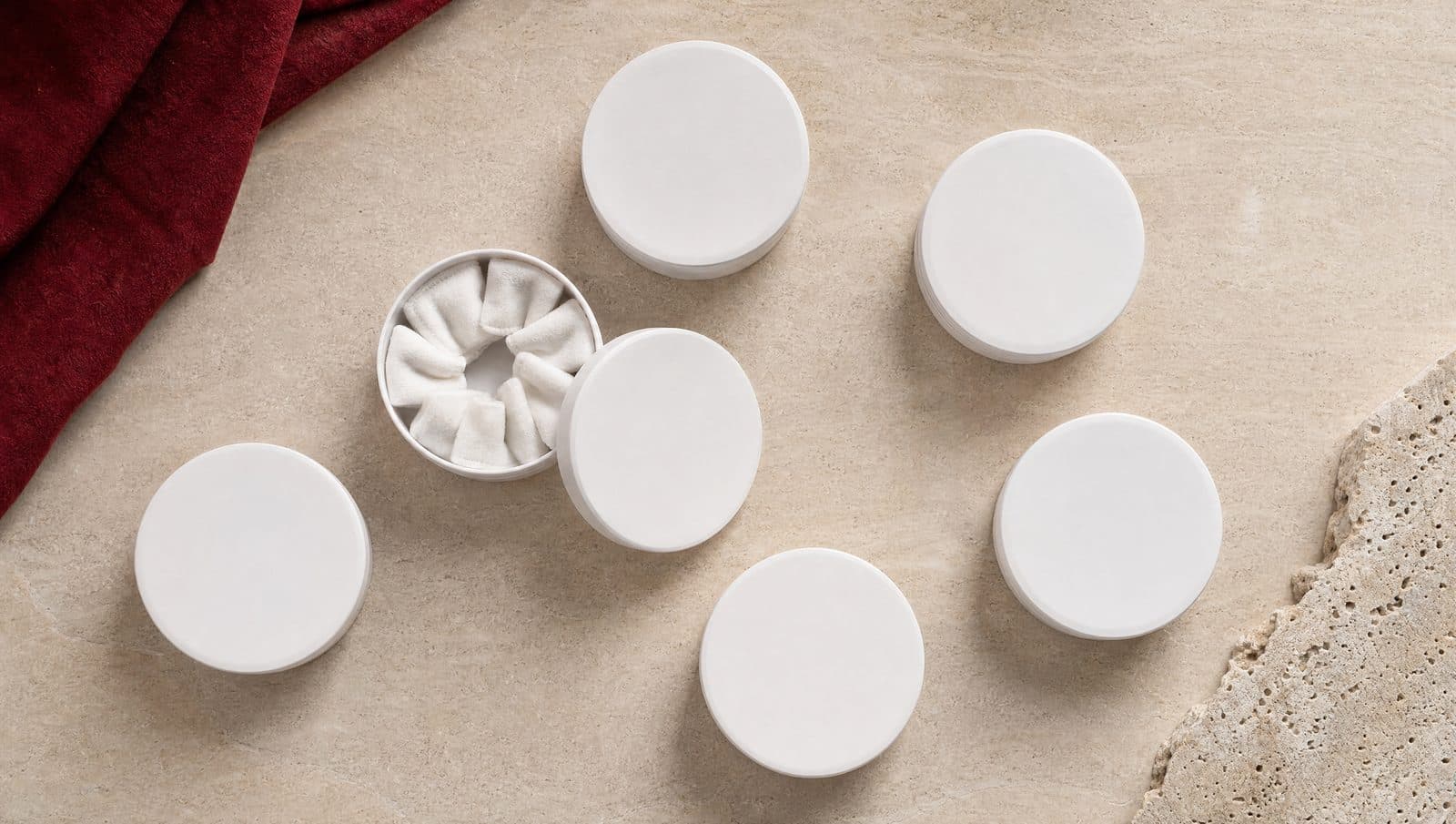
A white pouch contains no tobacco leaf, needs no fridge and needs no spitting, and the largest number printed on the can is frequently not the dose. Those four corrections account for most of what gets repeated wrongly about this product. Six more are below.
One thing this page does not do. Every item here is a question of fact — what the pouch is made of, what the label measures, where it goes, how it is kept. None is about health. Our position on that sits on the FAQ page: nicotine is addictive, VinaPouches is a shop rather than a medical provider, and questions about nicotine and your body go to a doctor.
1. "Nicotine pouches contain tobacco"
They contain none. A white pouch is nicotine, plant fibre — usually eucalyptus or pine cellulose — water, food-grade flavouring, a sweetener, and on most cans a pH regulator. No tobacco leaf, dust or stem is used at any stage.
The confusion is linguistic. In Vietnam the everyday word for these is still "snus", and Swedish snus is a moist ground-tobacco product, brown for exactly that reason. The all-white version arrived in the 2010s and inherited the name. The word tells you nothing about the contents. The ingredient list does.
That is a statement about ingredients. It is not a statement about health, and we are not making one.
2. "The 70 on an ICEBERG can is the dose"
It is a concentration: 70 milligrams of nicotine per gram of pouch material. A pouch does not weigh a gram, so the two figures measure different things and cannot be converted without a published pouch weight, which no maker prints.
All 16 ICEBERG products in our range carry no per-pouch figure at all: what the maker publishes is 70mg/g on most of the line and 50mg/g on the rest. The same convention runs on MAGGIE, GLICK, NOiS and RAVE, at figures between 32.5 and 60mg/g. We record all of them as "no per-pouch dose published" rather than dividing by a weight we would have to invent. Read 70 against the 6mg ZYN in your pocket and you conclude you are taking eleven times your usual amount. The full explanation is here.
3. "You have to spit while you use one"
No spitting is involved. A white pouch produces far less saliva than brown tobacco snus, which is why no spittoon habit grew up around it. Swallowing the saliva that forms is how most people use them; what you must never swallow is the pouch itself.
The whole routine: take one from the can, put it under your upper lip, leave it, take it out after 15 to 60 minutes and bin it — most cans have a lid compartment for the used one. Nothing to chew, charge, light or spit.
4. "They have to be kept in the fridge"
They do not. A sealed can is shelf-stable and keeps roughly 12 months from the production date printed on its base. The fridge is optional, and it comes up at all because of the borrowed vocabulary from myth 1: moist tobacco snus is perishable and commonly sold chilled, and the white pouch inherited the reputation with the name.
What matters in Vietnam is heat and humidity, not fridges. Keep a can sealed, upright, out of direct sun and below about 25°C, and never in a parked motorbike compartment, which passes 50°C on a Saigon afternoon. The fridge — not the freezer — suits stock you are not opening this week, but let a cold can warm up with the lid shut before you open it, or condensation goes straight into the fleece. The storage piece covers the physics.
5. "Tobacco-free means nicotine-free"
It does not. Tobacco-free describes what the pouch is made from. Nicotine-free describes whether there is nicotine in it. Almost everything we sell is the first and not the second: the nicotine in a white pouch is still nicotine and is still addictive, it is simply not carried on a bed of tobacco leaf.
Products with no nicotine at all are a separate line, flagged on every product page and collected under nicotine-free. We are not printing a count of them here: two of our own data sources disagree on the figure, and saying so beats quoting a number we cannot stand behind.
6. "Every can tells you how much nicotine is in the pouch"
Most cans do not. Whether to publish a per-pouch dose is each maker's own decision, and across our range the split is close to even.
- ZYN publishes on 41 of its 42 products, on a clean ladder of 3, 6, 9, 12, 15 and 18mg. XQS publishes on 23 of 28.
- VELO has 46 products here and publishes a figure on three: 4, 6 and 14mg. The other 43 state none — the strength information is a word in the product name, or nothing.
- Siberia (6 products) and White Fox (5) publish nothing in either unit. No dose, no concentration.
Where a maker publishes nothing, our product page says so. An estimate would look identical to a figure the manufacturer printed, which is the whole problem with estimating one. The band-by-band breakdown is in the strength guide.
7. "Killa and Pablo are the strongest thing you can buy in Vietnam"
We stock neither: zero Killa products, zero Pablo products. Those two names travel on reputation and on other people's listicles rather than on anything in our range.
The highest per-pouch dose anyone publishes in our catalogue is 25mg, on one product: NOIS Eucalypt, the only item above 20mg and the sole occupant of the ultra-strong band. Below it sit 76 products between 13 and 20mg in the extra-strong band. Anything that sounds stronger is either a concentration (myth 2) or a brand we do not carry.
8. "The mintier it feels, the stronger it is"
Cooling agents are flavouring. Menthol and the cooling compounds used alongside it act on the surface of the gum, and they are dosed independently of the nicotine. A heavily mentholated 6mg pouch can bite harder in the first minute than a mild fruit pouch at 9mg, and neither number has moved.
Format shifts it too. A slim pouch lays more material along the gum than a mini, so two pouches with the same figure do not arrive at the same rate. We record 140 slim and 49 mini; the other 506 carry no format field, which is a gap in our data rather than a claim that they are all one size.
9. "It goes under your tongue"
It goes between your upper lip and your gum. The lower lip works the same way; most people use the upper because it is more comfortable and less visible. Press it flat with your tongue once it is in, and do not chew it.
Most regular users also move the pouch between the left and right side rather than parking it in one spot, so the same patch of gum is not taking the contact every session.
10. "You can leave one in all day"
There is nothing left in it to leave in. Flavour fades first and nicotine release tails off after roughly 30 minutes; most cans print an upper limit around 60, and most people run 20 to 40. A spent pouch held past the hour adds nothing.
The one hard line is sleep. Take every pouch out before bed — you cannot control where it goes once you are asleep.
What this page has not settled
Two categories of question are missing on purpose. The first is health, and the honest state of it is on our FAQ page: nicotine is addictive, tobacco-free oral nicotine is roughly a decade old as a category, and long-horizon research on it does not yet exist. Anyone offering you a confident verdict, in either direction, is ahead of the evidence.
The second is Vietnamese law, which is moving. Our standing explainer and the Resolution 160 piece state what the published instruments say, with dates. Neither is legal advice.
Nicotine is addictive. These products are sold only to adults aged 18 and over, and nothing here is medical or legal advice. Catalogue figures checked against our product data on 2 August 2026; where a manufacturer publishes no per-pouch dose we say so rather than estimating one. Browse the range at the shop.
Frequently asked questions
Swedish snus is made from ground tobacco leaf and is brown; nicotine pouches are white and use plant fibre in place of tobacco. Both sit under the lip. Everything VinaPouches sells is the white, tobacco-free kind. The practical differences: white pouches do not stain teeth the way brown snus can, they release flavour rather than tobacco taste, and they produce far less saliva. Several brands in our catalog — Skruf, Lundgrens, Siberia — are old Swedish snus houses that now also make the white tobacco-free version. When a heritage brand appears here, it is their white line.
No. Every pouch VinaPouches sells is tobacco-free: nicotine, plant-based fibre (usually eucalyptus or pine cellulose), food-grade flavouring, sweetener and water. No tobacco leaf, dust or stem is used at any stage. Tobacco-free does not mean nicotine-free. The nicotine in a white pouch is still nicotine and is still addictive; it is simply not delivered on a bed of tobacco. If you want a product with no nicotine at all, look at the Zero and Energy lines.
Yes. VinaPouches stocks nicotine-free lines including VELO Zero, LOOP Zero, XQS Zero and LEO Zero, plus the caffeine-based RAVE Energy and DENSSI Energy ranges. All give flavour and the under-lip habit without nicotine. The Energy ranges use caffeine, not nicotine — the milligram number in names like "RAVE Energy Mint Man 100mg" refers to caffeine content, not nicotine. LEO is the clearest example of a paired range: every LEO flavour exists as both a 9mg version and a Zero version, so you can keep the same taste with or without nicotine.
No spitting is needed with white nicotine pouches. Swallowing the saliva that forms is normal and is how most people use them. Never swallow the pouch itself. Feeling queasy usually means the strength is too high for you. White pouches produce much less saliva than brown tobacco snus, which is why no spittoon culture grew around them. If you do swallow a pouch by accident, it will normally pass without harm, but call a doctor if you feel unwell — and call one immediately if a child swallows one.
Keep cans sealed, upright and out of direct sun, below about 25°C. In Vietnamese heat and humidity a fridge keeps pouches moist and flavour sharp for longer. Never leave a can in a parked motorbike or car. A closed motorbike compartment in Da Nang or Ho Chi Minh City in the afternoon can pass 50°C, which dries pouches out and flattens the flavour within days. The fridge — not the freezer — is the right place for stock you are not using this week. Let a chilled can sit for a minute before opening so condensation does not soak the fleece.